
Engineering Knowledge, Made Clear.
Reliable CNC machining from China, delivering fast response, high precision, and complete manufacturing solutions from machining to surface finishing.
recent posts
- 6061-T6 CNC Machining: Properties, Applications and Limitations
- Aluminum CNC Machining Materials: 8 Rules to Choose the Right Alloy
- Anodizing vs Powder Coating: 9 Differences That Decide Your Finish
- Aluminum CNC Machining for US Manufacturers: Custom Parts and Supplier Selection
- Magnetic and Non-Magnetic Metals: Definitions, Examples and Everyday Applications
about
Email: info@vori-cncmachining.com
Category: CNC Machining Guides
Process planning, tolerance control, workholding and inspection practice for CNC machined parts.
-

6061-T6 CNC machining explained: what the temper means, key properties, machinability, real applications, limitations, and a buying checklist for custom aluminum parts.
-

Aluminum CNC machining materials compared: alloy families, tempers, 6061 vs 7075 vs 5052, machinability, anodize growth, cost drivers and a selection framework.
-
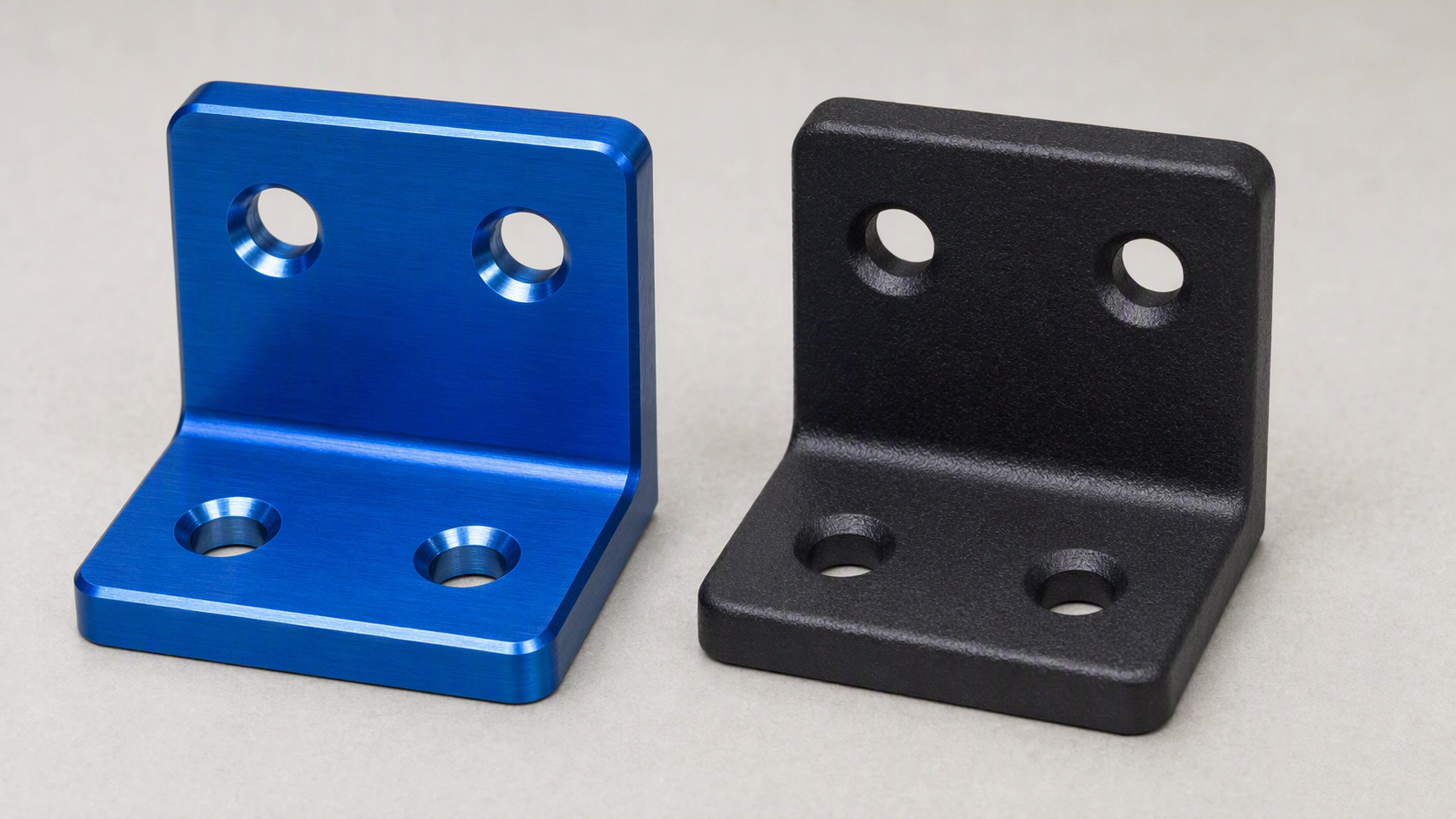
Anodizing vs powder coating compared on nine criteria: film build, wear, color, masking, tolerance drift, inspection and cost for machined aluminum parts.
-
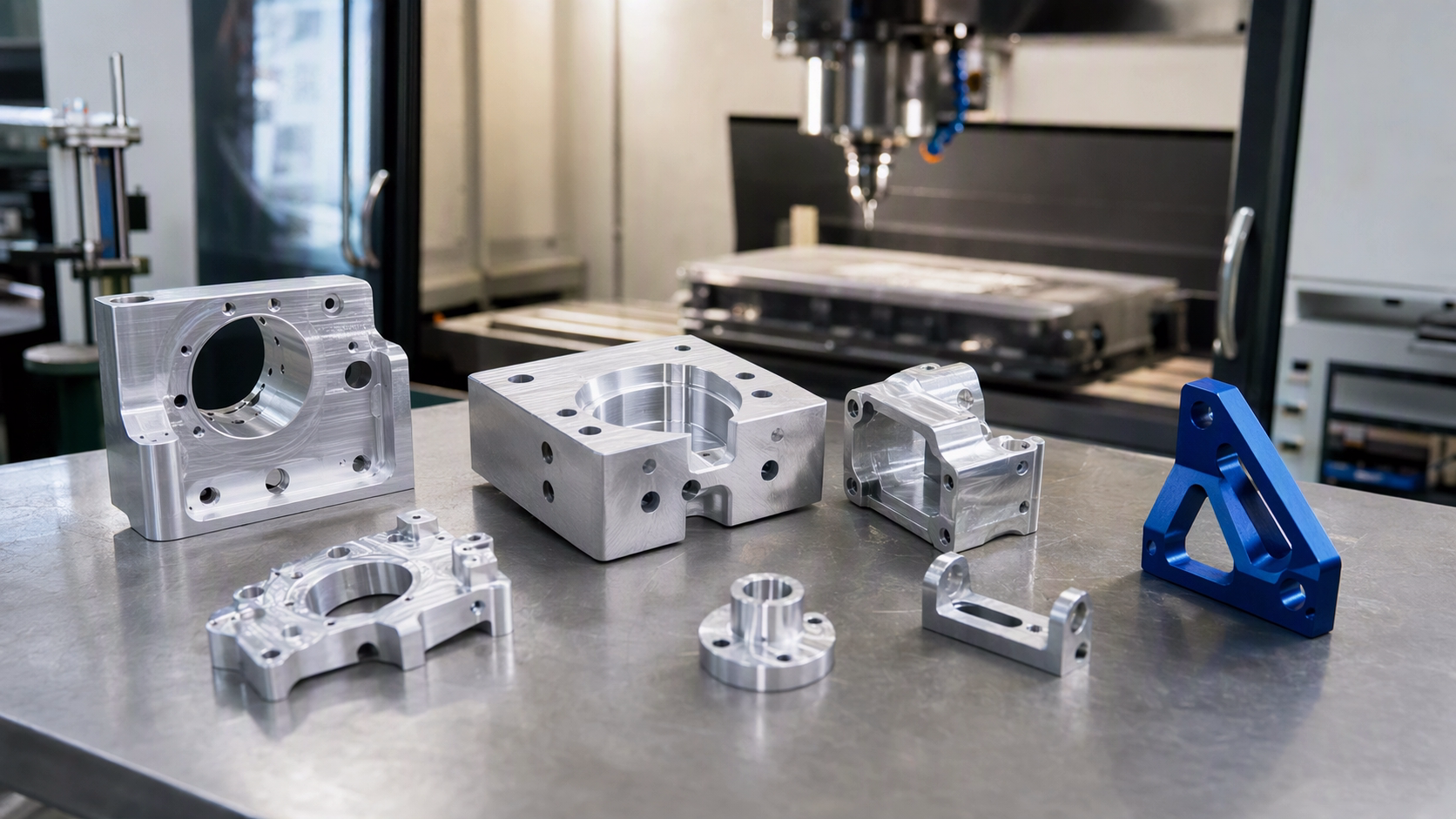
Aluminum CNC machining in the USA: which alloy to choose, what really drives cost, how anodizing changes size, and how to vet a custom parts supplier.
-
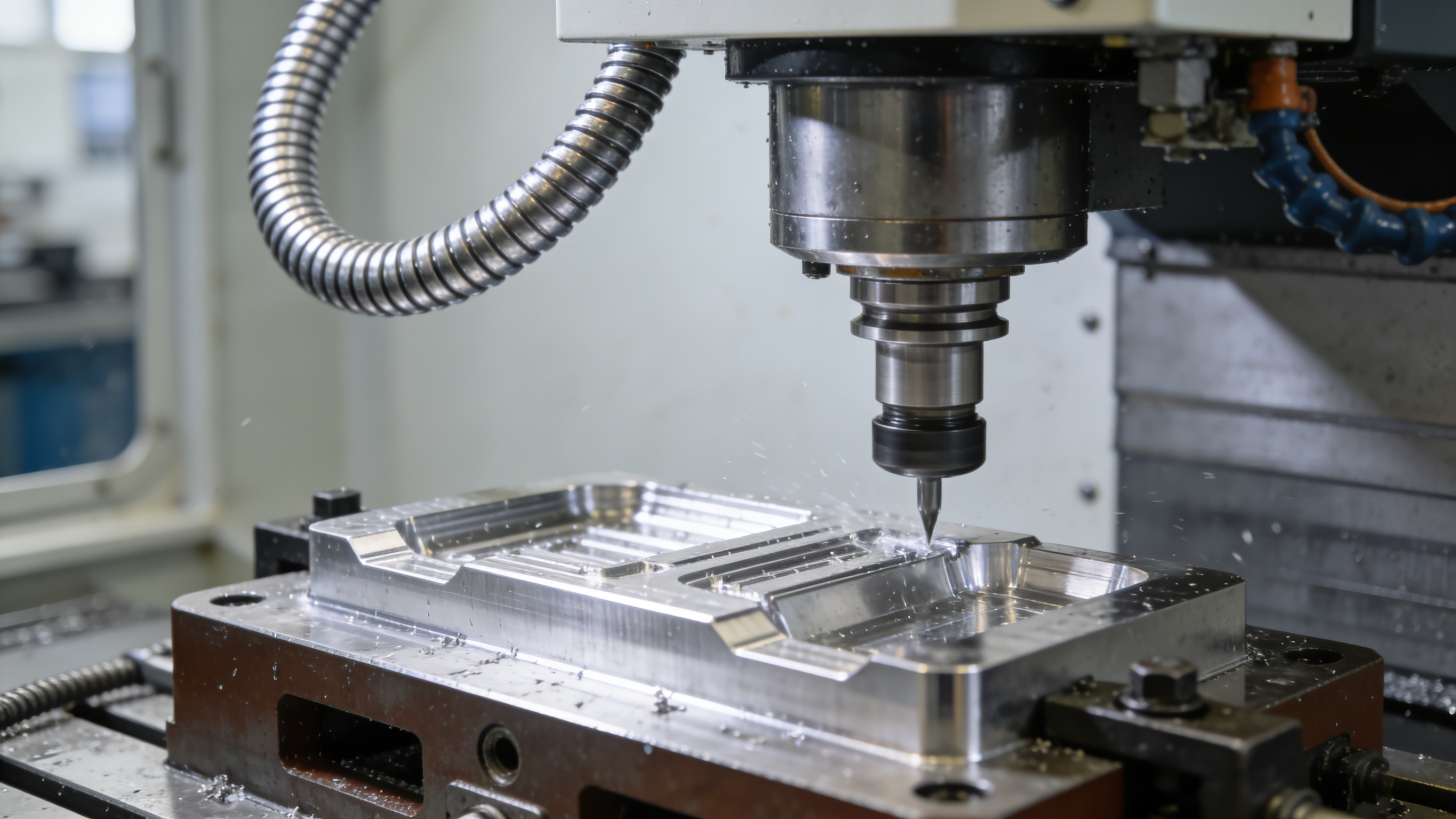
In CNC milling operations, climb milling and conventional milling are the two most fundamental cutting strategies. The choice between them has a direct impact on surface finish, tool life, machining efficiency, and overall production cost. With the advancement of modern CNC machines—especially the widespread use of high-precision ball screws and servo systems—traditional selection rules have…
-

A Practical Guide to Precision Curved Surfaces and Flat-End Tool Machining In precision mechanical manufacturing, CNC turning plays a critical role in producing complex components—especially parts with curved surfaces and tight radius tolerances. For CNC machining companies serving international markets, clearly demonstrating expertise in radius control, tool selection, and advanced machining strategies is essential for…
-

In the manufacturing industry, precision tolerance is the gold standard for evaluating the quality of a machined part. Whether it’s aerospace components, medical devices, robotics structures, or consumer electronics, accuracy control runs through the entire production workflow. In CNC machining—especially in common processes such as turning, milling, and 5-axis machining—how do manufacturers consistently meet the…
